
ISO 7886-1
피하 주사기 검사
그만큼 ISO 7886-1 이 표준은 다음의 성능 및 안전 요구 사항을 규정합니다. 주사기 일회용 제품으로, 다음과 같은 측면을 강조하며 누수 방지, 데드 스페이스, 그리고 활공력. 제조업체와 품질 보증 팀은 제품의 규정 준수 및 환자 안전을 보장하기 위해 ISO 7886-1에 명시된 시험 절차를 숙지해야 합니다.
ISO 7886-1은 다음의 경우에 적용됩니다:
-
플라스틱 소재로 만들어진 멸균 주사기.
-
피하 또는 근육 주사를 위해 피하 주사 바늘과 함께 사용하는 주사기.
-
일회용 주사기입니다.
이 표준은 적용되지 않음 인슐린 주사기(ISO 8537 적용 대상), 치과용 주사기(ISO 7885 적용 대상) 또는 주입 펌프용 주사기 등입니다.
ISO 7886 시험 및 그 중요성
ISO 7886-1 다음에 대한 성능 요구 사항 및 시험 방법에 중점을 둡니다. 주사기, 특히 바늘을 사용하거나 사용하지 않는 검사들. 이러한 검사는 다음을 보장합니다:
1. 설계 및 시공
-
내용물을 육안으로 확인할 수 있는 투명한 용기.
-
지워지지 않는 잉크로 인쇄된 눈금.
-
누출이나 이탈을 방지하기 위해 플런저를 단단히 고정하십시오.
2. 부피 정확도
-
실제 납품된 용량은 지정된 허용 오차 범위 내에서 배럴에 표시된 공칭 용량과 일치해야 합니다.
-
정확도는 공칭 용량의 10%, 50% 및 100%에서 테스트됩니다.
3. 누설 시험
-
공기 누출 그리고 액체 누출 정해진 압력과 부피 조건 하에서 시험을 거칩니다.
-
배럴이나 부품 사이에서 눈에 띄는 누출이 발생해서는 안 됩니다.
4. 데드 스페이스
-
플런저를 끝까지 눌렀을 때 주사기에 남아 있는 용적은 지정된 최대치(일반적으로 ≤ 0.07 mL)를 초과해서는 안 됩니다.
5. 플런저 기능
-
플런저는 걸리거나 미끄러지지 않고 부드럽게 움직여야 합니다.
-
정상 작동 압력 하에서는 누출이나 분리 현상이 발생해서는 안 됩니다.
6. 파단력과 분리력
-
플런저를 파손하거나 구성 요소를 분리하는 데 필요한 최대 힘은 안전 기준치 이하로 떨어져서는 안 됩니다.
7. 생체적합성
-
약물이나 주사 부위와 접촉하는 재료는 ISO 10993 시리즈 생체적합성 시험을 통과해야 합니다.
각 테스트는 주사기가 안전하고 신뢰할 수 있으며 성능이 일관된지를 판단하는 데 도움이 됩니다.
ISO 7886-1의 피하 주사기 시험 방법
1. 진공 상태에서의 피하 주사기 누출 시험 (부록 B)
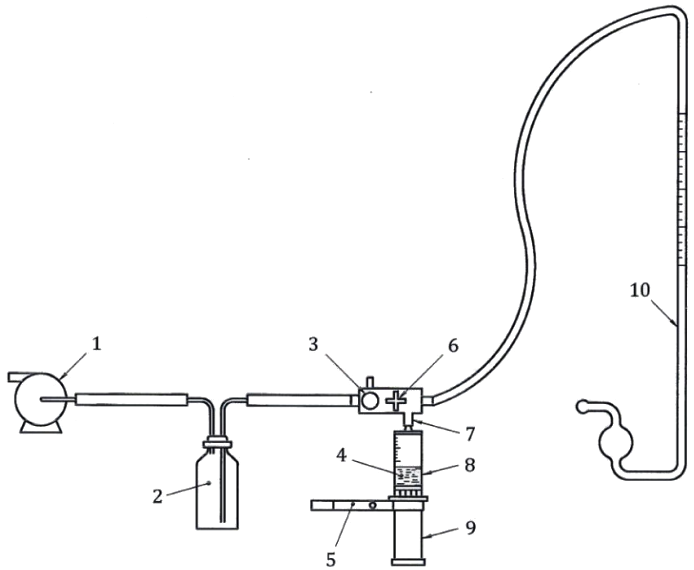
오염이나 공기 유입을 방지하기 위해, 음압 상태에서 플런저 스토퍼를 통과하는 누출 여부를 반드시 시험해야 합니다. 이는 피하 주사기 누출 시험 이는 기밀성을 확인하는 데 필수적입니다.
-
방법: 주사기에 물을 채우고(용량의 최소 25%), 플런저를 고정시킨 다음 -88 kPa의 진공을 가합니다.
-
관찰 결과: 공기 누출이나 플런저 스토퍼의 이탈 여부를 점검하십시오.
권장 장비:
셀 인스트루먼트' SLT-02 주사기 누출 검사기 정밀한 진공 제어 및 자동 측정 기능을 제공하여 부속서 B의 준수 여부를 보장합니다.
2. 압력을 가한 상태에서의 피하 주사기 액체 누출 시험 (부록 D)
그만큼 피하 주사기 액체 누출 시험 축방향 및 횡방향 기계적 하중 하에서 주사기의 무결성을 검사합니다.
-
방법: 노즐을 밀봉한 후, 플런저를 편향시키기 위해 측면 힘을 가한 다음, 사용자의 조작을 시뮬레이션하기 위해 축방향 압축을 가합니다.
-
관찰 결과: 200 kPa 및 300 kPa의 압력에서 유체 누출 여부를 모니터링하십시오.
권장 장비:
사용 SPPT-01 주사기 양압 밀폐도 시험기 Cell Instruments의 장비를 사용하여 제어된 기계적 힘을 가하고, 밀봉 상태의 결함 여부를 모니터링합니다.
3. 주사기 사각부 검사: 약물 낭비 최소화 (부록 C)
사각 공간이란 약물을 완전히 주입한 후 주사기 내에 남아 있는 액체의 양을 말합니다. 사각 공간이 크면 약물이 낭비되거나 투여량이 부정확해질 수 있습니다.
-
방법: 빈 주사기의 무게를 측정한 다음, 물을 채웠다 뺀 후의 무게를 측정하십시오.
-
계산: 무게의 차이는 다음을 나타냅니다. 데드 스페이스 (mL 단위).
4. 주사기 피스톤에 대한 활주력 시험 (부록 E)
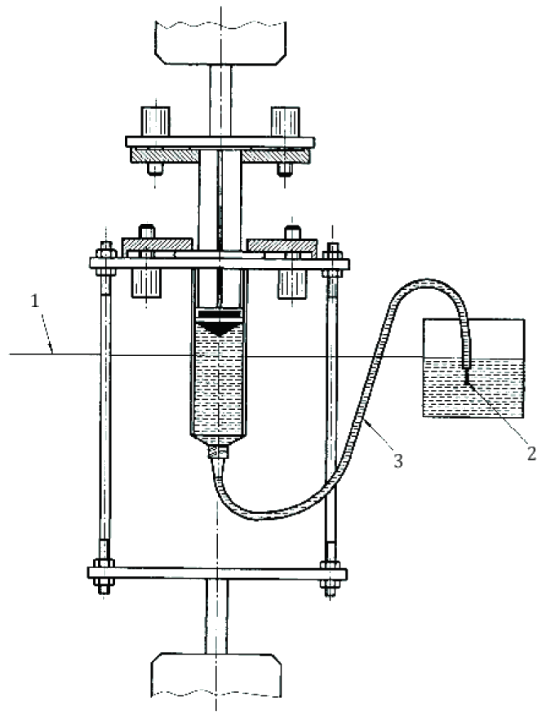
피스톤의 부드러운 움직임은 사용자의 편의성과 정밀한 투여량 조절에 매우 중요합니다. 이 활공력 테스트 피스톤이 전체 행정에 걸쳐 일정한 상태로 작동하는 데 필요한 힘을 측정합니다.
-
방법: 기계적 시험기는 플런저를 일정한 속도로 누르면서 실시간으로 저항을 기록합니다.
-
목적: 주사기의 사용 가능 여부와 로트 간 일관성을 확인합니다.
권장 장비:
Cell Instruments MST-01 의료용 주사기 테스터 ~에 이상적입니다 활공력 테스트 응용 분야. 이 장치는 힘 프로파일을 기록하며 ISO 7886-1의 정확도 요건을 충족합니다.
ISO 7886 시험을 위해 왜 Cell Instruments를 선택해야 할까요?
Cell Instruments는 제조업체들이 관련 기준을 충족하고 이를 뛰어넘을 수 있도록 돕기 위해 주사기 테스트를 위한 포괄적인 솔루션 제품군을 제공합니다. ISO 7886-1 요구 사항. 당사의 장비는 다음 용도로 설계되었습니다:
-
고정밀도 및 자동화
-
국제 표준 준수
-
간편한 조작 및 데이터 기록
-
특정 테스트 환경에 맞춘 유연한 맞춤 설정
제품 설계를 검증하든, 배치 출시 테스트를 관리하든, SLT-01, SPPT-01, 그리고 MST-01 의료기기 업계의 요구에 부응하는 신뢰할 수 있고 재현 가능한 결과를 제공합니다.
~에 대한 규정 준수 달성 ISO 7886-1 이는 단순한 규제상의 장애물이 아니라, 품질과 환자 안전에 대한 약속입니다. 다음과 같은 필수 검사를 이해하고 시행함으로써 피하 주사기 검사, 누출 테스트, 주사기 사각 공간 시험, 그리고 활공력 테스트, 제조업체는 안심하고 제품을 시장에 출시할 수 있습니다. Cell Instruments의 첨단 테스트 장비를 실험실에 도입하여 테스트 과정을 효율화하고, 주사기 생산의 모든 단계에서 정확성을 보장하십시오.
기술 상담, 기기 선정 또는 맞춤형 솔루션이 필요하시면 지금 바로 Cell Instruments에 문의해 주십시오.
 KO
KO  EN
EN  AR
AR  BG
BG  CS
CS  DA
DA  DE
DE  EL
EL  ES
ES  ET
ET  FI
FI  FR
FR  HU
HU  ID
ID  IT
IT  JA
JA  LT
LT  LV
LV  NB
NB  NL
NL  PL
PL  PT
PT  RO
RO  RU
RU  SK
SK  SL
SL  SV
SV  TR
TR  UK
UK  HE
HE  TH
TH  VI
VI