
ASTM D1004
Испытание пластиковых пленок и листов на разрыв по Грейвсу
ASTM D1004 играет важную роль в оценке прочности на разрыв пластиковые пленки и листы, Помогает производителям и специалистам по контролю качества понять, как ведет себя материал под воздействием инициирующего разрыва. По мере того как пленки становятся все тоньше, все более функциональными и широко используются во всем мире упаковка, медицинские приборы, фармацевтика, электроника, и других отраслях промышленности, точная оценка прочности на разрыв становится необходимой для прогнозирования эксплуатационных характеристик и предотвращения поломок в реальных условиях применения.
Этот метод направлен на сила, необходимая для начала разрыва, а не сила, необходимая для его распространения. Этот акцент позволяет получить ценные сведения о долговечности и надежности гибких пленочных структур, особенно тех, которые используются в высокоинтеллектуальных упаковочных приложениях.
Важность испытания на разрыв Грейвса в ASTM D1004
The слезный тест Грейвса, В стандарте ASTM D1004 используется геометрия образца с надрезом, который создает определенную концентрацию напряжения. Когда материал растягивается под нагрузкой, в этом критическом месте начинается разрыв. Сайт Испытание на прочность на разрыв по методу Грейвса позволяет пользователям получать высоко сопоставимые данные, поскольку форма образца, размеры надрезов, скорость испытания и метод захвата остаются стандартными.
Для отраслей, полагающихся на постоянный прочность на разрыв пластиковых пленок и листов, Этот метод обладает высокой предсказательной способностью. Упаковочные пленки, используемые в пакетах, медицинских сумках, блистерах и защитных ламинатах, часто подвергаются локальным нагрузкам. Понимание того, как реагирует материал в момент начала разрыва, помогает производителям улучшить рецептуру продукта, многослойную конструкцию и контроль процесса.
Основные принципы измерения сопротивления разрыву по стандарту ASTM D1004
ASTM D1004 определяет низкий уровень нагрузки 51 мм/мин, Это гарантирует, что разрыв происходит при контролируемом, медленном напряжении - намного ниже типичных условий использования. Это позволяет лабораториям изолировать химический состав, кристалличность и структурные характеристики материала без влияния динамических нагрузок.
В основе метода лежат несколько важных принципов:
- Точное измерение силы инициирования: Максимальное усилие, возникающее в начале разрыва, определяет сопротивление разрыву.
- Строгий контроль толщины образцов: Отклонения свыше ±10% приводят к недостоверным результатам, поскольку толщина не коррелирует линейно с разрывными характеристиками.
- Разделение с постоянной скоростью захвата обеспечивает единые условия испытаний в разных лабораториях и на разных типах приборов.
- Соответствующие материалы: Этот метод лучше всего подходит для пленок, которые не разрушаются хрупким образом и не удлиняются чрезмерно больше, чем примерно 200%.
Эти принципы помогают лабораториям получать достоверные данные о прочности на разрыв для разных партий, материалов и производственных процессов.
ASTM D1004 Принцип испытания на разрыв по Грейвсу
Процедура начинается с подготовки образцов в форме гантели с точным надрезом на каждой стороне. После измерения толщины вокруг надреза образец устанавливается таким образом, чтобы увеличенные концы совпадали с центральной линией захвата. Машина разъединяет захваты с постоянной скоростью, а кривая силы определяет максимальную нагрузку до появления значительного разрыва.
Современные цифровые испытательные машины регистрируют:
- Максимальное сопротивление разрыву (Н или фунт-сила)
- Максимальное удлинение (мм)
- Характеристики кривой "нагрузка-перемещение
- Статистические параметры, такие как среднее значение и стандартное отклонение
Эти данные помогают лабораториям проверять соответствие материалов, оценивать качество поставщиков, проводить сравнительный анализ НИОКР и проверять дизайн упаковки.
Выбор подходящего оборудования для испытаний по стандарту ASTM D1004
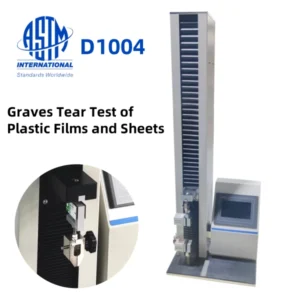
Надежность работы по стандарту ASTM D1004 требует точного контроля скорости, выравнивания и измерения нагрузки. Высокоточный тестер разделения с постоянной скоростью захвата обеспечивает воспроизводимые результаты измерения силы.
Сильным вариантом для лабораторий, стремящихся к надежному и эффективному тестированию, является Cell Instruments TST-01 Испытатель на растяжение. Эта модель поддерживает гибкие пластики, пленки и ламинаты, обеспечивая стабильный контроль захвата, программируемые настройки скорости и тензодатчики высокого разрешения. Его универсальность также позволяет лабораториям соответствовать множеству стандартов, помимо испытаний на разрыв, поддерживая более широкие рабочие процессы в области качества и НИОКР.
Выбор надежного прибора не только повышает соответствие стандарту ASTM D1004, но и улучшает достоверность данных, минимизирует ошибки оператора и поддерживает долгосрочные гарантии качества.
Часто задаваемые вопросы о ASTM D1004 Испытание на разрыв Грейвса
1. Что такое ASTM D1004?
ASTM D1004 это стандартизированный метод испытания, используемый для измерения сопротивление разрыву гибких пластиковых пленок и листов с использованием геометрии разрыва Грейвса. Он оценивает максимальное усилие, необходимое для начала разрыва при контролируемом низкоскоростном нагружении.
2. Что такое тест на разрыв Грейвса?
При испытании на разрыв по методу Грейвса используется образец в форме гантели с надрезом для создания точки концентрации напряжения. При растяжении с постоянной скоростью испытание определяет максимальная сила, при которой начинается разрыв, Это позволяет судить о долговечности и прочности пленки.
3. Чем ASTM D1004 отличается от других тестов на разрыв?
ASTM D1004 уделяет особое внимание инициирование разрыва, В то время как такие тесты, как ASTM D1922, измеряют распространение разрывов. Это делает D1004 особенно ценным для материалов, где способность противостоять началу разрыва более важна, чем то, как разрыв прогрессирует.
4. Какова требуемая скорость испытания для ASTM D1004?
Захваты должны быть разделены на 51 мм/мин (2 дюйма/мин). Поддержание этой скорости необходимо для получения точных и сопоставимых результатов.
5. Какое оборудование подходит для испытаний по стандарту ASTM D1004?
Необходим тестер разделения с постоянной скоростью захвата, с точным контролем скорости и стабильным захватом. Такие приборы, как Универсальный тестер Cell Instruments TST-01 обеспечивают точные, воспроизводимые результаты и поддерживают несколько методов тестирования пленки.
 RU
RU  EN
EN  AR
AR  BG
BG  CS
CS  DA
DA  DE
DE  EL
EL  ES
ES  ET
ET  FI
FI  FR
FR  HU
HU  ID
ID  IT
IT  JA
JA  KO
KO  LT
LT  LV
LV  NB
NB  NL
NL  PL
PL  PT
PT  RO
RO  SK
SK  SL
SL  SV
SV  TR
TR  UK
UK  HE
HE  TH
TH  VI
VI