
Vacuum Leak Detection Methods
ASTM D6653
Vacuum leak detection methods are crucial for assessing the integrity of packaging systems. These methods help ensure that products, especially those sensitive to environmental changes, maintain their quality during transit and storage. One of the commonly used standards for vacuum leak detection is ASTM D6653, which provides guidelines for high-altitude packaging integrity testing. In this article, we will explore how vacuum testing methods work, their importance in packaging, and how vacuum leak tests are conducted in compliance with ASTM D6653.
What Is ASTM D6653?
ASTM D6653 outlines test methods for determining the effects of high altitude on packaging systems using a vacuum method. This standard is used to
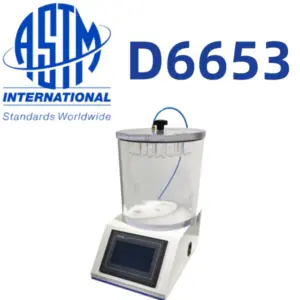
simulate the effects of high-altitude conditions that packaging may face during transportation, such as being transported via feeder aircraft over high mountain passes.
The test involves subjecting packaging materials and products to a pressure differential that mimics the high-altitude conditions they may experience in transit. This test ensures that packaging systems will withstand the atmospheric pressure changes that occur at higher altitudes, preventing damage, leakage, or contamination.
Vacuum Leak Test: Why It Matters
A vacuum leak test is essential for assessing the airtightness of packaging systems. It helps detect any leaks or weaknesses in the packaging material that could compromise the product’s quality. These tests are particularly useful in industries where packaging integrity is vital, such as in food, pharmaceuticals, and medical devices.
When packaging systems are subjected to vacuum testing, any leakage can be identified and measured, ensuring that the package will perform as required during shipping and storage. The vacuum leak detection methods used in ASTM D6653 can identify even small leaks that could lead to significant product degradation.
High Altitude Package Integrity Testing: A Key Application of ASTM D6653
High altitude package integrity testing is essential for products that are shipped by air or to areas at high elevations. Since packaging systems may be exposed to pressure differentials that could compromise their seal, vacuum testing can simulate these conditions. This testing method helps determine how well the package holds up under changes in pressure, which is especially critical for industries where contamination or spoilage could occur if the packaging is compromised.
How to Perform a Vacuum Leak Detection Test?
Step 1: Prepare the Test Specimen
The test specimen, typically a complete packaged product or its components, is placed in a vacuum chamber. The packaging system is carefully examined before the test to ensure that all relevant components, such as the primary and secondary packaging, are intact.
Step 2: Apply Vacuum Pressure
Once the specimen is inside the chamber, the vacuum source is activated. The vacuum gauge helps ensure that the pressure is reduced at an approximate rate, typically around 1,000 feet per 30-60 seconds, until the target pressure is reached.
Step 3: Maintain the Pressure
For the vacuum leak detection test, the chamber is maintained at the required pressure for a certain amount of time. In the case of ASTM D6653, the pressure is maintained for 60 minutes. This duration ensures that any potential leaks in the packaging system are identified.
Step 4: Release Vacuum and Inspect
After the test duration, the vacuum is released at a controlled rate, and the specimen is removed from the chamber. The package is then inspected for any deformation, leakage, or failure of the packaging. The condition of the packaging is documented, and any damage is noted.
Step 5: Record Results
Finally, the results of the vacuum leak detection test are recorded, including any observed failures or deformations. These results provide valuable information for assessing the packaging’s ability to withstand high-altitude conditions and can help guide any necessary improvements to the packaging design.
Vacuum Testing of Packaging Systems: A Vital Process
Vacuum testing of packaging systems ensures that products remain safe and undamaged during transport, especially in challenging environments like high altitudes. ASTM D6653 is one of the essential standards for testing packaging under such conditions. By conducting vacuum leak detection methods in line with this standard, businesses can improve product integrity, reduce the risk of packaging failure, and maintain consumer confidence.
Sonuç
Bu vacuum leak detection methods described in ASTM D6653 are vital tools for testing the integrity of packaging systems under high-altitude conditions. These tests help prevent packaging failures that could lead to product damage or contamination. Whether you are testing for vacuum integrity, performing a vacuum leak detection test, or ensuring packaging reliability, following ASTM D6653 guidelines can help ensure that your packaging system meets the highest standards of performance.
FAQ
Q1: What is a vacuum leak detection method?
A1:
It’s a test to identify leaks in packaging by creating a vacuum inside the package. It helps ensure the packaging can withstand pressure changes during transport or storage.
Q2: How does ASTM D6653 apply to vacuum leak testing?
A2:
ASTM D6653 tests the effect of high-altitude pressure changes on packaging systems, simulating conditions like air transport. It helps verify packaging integrity using vacuum leak detection methods.
Q3: What’s the procedure for vacuum leak testing?
A3:
Place the test sample in a vacuum chamber, apply vacuum pressure, maintain it for a set time, then release and inspect for damage or leaks.
Q4: How does high-altitude testing differ from regular vacuum testing?
A4:
High-altitude testing simulates pressure changes at elevations like 19,000 ft, unlike regular vacuum testing that doesn’t replicate those extreme conditions.
Q5: What materials are tested with ASTM D6653?
A5:
Materials like VLDPE, LLDPE, PVC, and HDPE used in packaging, particularly for food and pharmaceuticals, are tested for high-altitude pressure tolerance.
Q6: What failure signs appear during vacuum leak testing?
A6:
Signs of failure include visible deformation, leaks, or product contamination due to packaging not holding up under pressure.
 TR
TR  EN
EN  AR
AR  BG
BG  CS
CS  DA
DA  DE
DE  EL
EL  ES
ES  ET
ET  FI
FI  FR
FR  HU
HU  ID
ID  IT
IT  JA
JA  KO
KO  LT
LT  LV
LV  NB
NB  NL
NL  PL
PL  PT
PT  RO
RO  RU
RU  SK
SK  SL
SL  SV
SV  UK
UK