
Vrecia na infúzie: Metódy skúšok tlakom, normy a ako zabezpečiť bezpečnosť obalu
Infúzne vaky sú nevyhnutnými súčasťami moderných systémov zdravotnej starostlivosti. Či už sa používajú na intravenózne tekutiny, lieky alebo výživové roztoky, tieto pružné obalové jednotky musia pod tlakom fungovať bezchybne. Jedným z najdôležitejších aspektov zabezpečenia ich bezpečnosti a funkčnosti je skúška odolnosti voči stlačeniu. V tejto príručke sa zameriame na to, ako vykonávať testovanie infúznych vrecúšok, dôležitosť používania presného prístroj na meranie kompresie infúznych vrecúšok, a ako sú tieto testy v súlade s medzinárodnými štandardmi kvality.
Úloha kompresných skúšok v oblasti bezpečnosti infúznych vrecúšok
Každý deň, infúzne vaky vydržať namáhanie pri manipulácii, stohovaní, skladovaní a preprave. Ak sa vrecúško pod záťažou roztrhne alebo začne presakovať, dôsledky sa môžu pohybovať od plytvania výrobkom až po vážne riziká pre pacientov. Aby sa tomu zabránilo, výrobcovia musia otestovať každý návrh obalu, aby sa uistili, že spĺňa nielen interné kritériá kvality, ale aj globálne normy, ako napríklad ISO 12048 a ASTM D642.
Skúška tlakom simuluje reálne situácie s vertikálnym tlakom s cieľom určiť:
Maximálna nosnosť
Deformačné správanie v strese
Odolnosť proti prasknutiu a riziko úniku
Trvanlivosť počas stohovania a expedície
Ak sa tento test vykoná správne, poskytuje kľúčové údaje pre kontrola kvality, dodržiavanie právnych predpisova vývoj produktov.
Požiadavky na zariadenia na testovanie a kompresiu infúznych vrecúšok
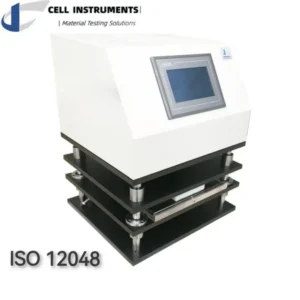
Aby bolo možné spoľahlivo vykonať testovanie infúznych vrecúšok, zariadenie musí poskytovať presnosť, spätnú väzbu údajov v reálnom čase a zhodu s medzinárodnými testovacími protokolmi. Vysoko kvalitné prístroj na meranie kompresie infúznych vrecúšok ako ten z Cell Instruments Co., Ltd. zabezpečuje presné a opakovateľné výsledky.
Kľúčové vlastnosti zariadenia:
Horná a spodná lisovacia doska na vyvážené rozloženie sily
Systém riadený PLC pre stabilnú prevádzku
Dotykový displej HMI pre jednoduchú konfiguráciu testov
Meranie sily v reálnom čase a kreslenie kriviek
Automatická kompenzácia konštantného tlaku
Záchytná vanička na kvapaliny na bezpečné zachytenie uniknutých tekutín
Prispôsobiteľné veľkosti platní vhodné pre rôzne formáty tašiek
Voliteľné Pripojenie cez rozhranie RS232 a softvér na export údajov
Tieto vlastnosti sú obzvlášť dôležité pri testovaní pružné fóliové materiály bežne sa používa v infúznych vrecúškach.
Skúšobné normy pre kompresiu infúznych vrecúšok
Skúška tlakovou kompresiou infúzne vaky musí dodržiavať v odvetví uznávané normy, aby bola zabezpečená zhoda s medzinárodnými požiadavkami. Jednou z najdôležitejších je ISO 12048, v ktorej sú uvedené postupy skúšok pre naplnené prepravné balíky.
ISO 12048 a súvisiace normy:
Rýchlosť kompresie: (10 ± 3) mm/min
Presnosť sily: ±2%
Paralelnosť platní: v rámci tolerancie 1:1000
Kondičná príprava: 23 °C, relatívna vlhkosť 50% po dobu najmenej 48 hodín
Zber údajov: Krivka závislosti sily od deformácie
Podávanie správ: Maximálna sila, deformácia a popis spôsobu porušenia
Na základe týchto noriem môžu testeri spoľahlivo posúdiť, či infúzny vak vydrží stohovanie alebo tlak bez toho, aby došlo k jeho poškodeniu.
Výhody používania kompresného testeru infúznych vreciek od spoločnosti Cell Instruments
Stránka Tester kompresie obalov od spoločnosti Cell Instruments je špeciálne navrhnutý pre aplikácie v oblasti balenia zdravotníckych a farmaceutických výrobkov. Podporuje obidve maximálne zaťaženie a odolnosť voči neustálemu tlaku testovanie, ktoré poskytuje flexibilitu pre rôzne prípady použitia.
Odporúča sa na testovanie:
Infúzne vrecká a vrecká na krv
Plastové infúzne fľaše
Ľadové vrecká a kompozitné vrecká
Farmaceutické jednotky zabalené do fólie
Vďaka súladu s priemyselnými štandardmi a vysokej presnosti merania (±1% FS) je toto zariadenie ideálne pre laboratóriá zabezpečenia kvality, Oddelenia výskumu a vývojaa certifikačné orgány zamerané na bezpečnosť a funkčnosť obalov.
Prehľad postupu testovania infúznych vrecúšok
Krok 1: Príprava
Vzorky stabilizujte v prostredí s regulovanou klímou pri teplote 23 °C a relatívna vlhkosť 50% po dobu najmenej 48 hodín.
Krok 2: Nastavenie
Vrecko umiestnite doprostred medzi paralelné lisovacie dosky. Uistite sa, že systém je kalibrovaný a že sú aktivované funkcie núdzového zastavenia.
Krok 3: Testovanie konfigurácie
Vyberte si medzi:
Režim sériového snímania: Stláčajte, kým sa neroztrhne
Neustály tlak: Pôsobiť definovanou silou počas pevne stanoveného času
Nastavte obmedzenia rýchlosti a zaťaženia podľa zvolenej skúšobnej normy.
Krok 4: Realizácia a monitorovanie
Spustite test. Stroj počas merania vyvíja vertikálny tlak údaje o sile a posunutí nepretržite.
Krok 5: Interpretácia údajov
Analyzujte krivka sily a deformácie určiť:
Špičkové zaťaženie
Spôsob poruchy (prasknutie, únik, deformácia)
Odolnosť obalu
Záver
Pre odborníkov v oblasti zdravotníckych obalov je dôležité vedieť, ako vykonávať testovanie infúznych vrecúšok je nevyhnutné na zabezpečenie bezpečnosti pacientov, kvality výrobkov a získania regulačného schválenia. Využitím spoľahlivého prístroj na meranie kompresie infúznych vrecúšok a dodržiavanie noriem, ako napríklad ISO 12048, získate cenné poznatky o správaní materiálu pri namáhaní a budete môcť prijímať lepšie rozhodnutia v oblasti konštrukcie a zabezpečenia kvality.
Cell Instruments Co., Ltd. ponúka pokročilé riešenia v oblasti testovania, ktoré sú presné, prispôsobiteľné a vyhovujú príslušným normám. Ak sa zaoberáte balením infúznych roztokov, kontaktujte nás ešte dnes a zistite, ako môže naše zariadenie zefektívniť váš program kompresných skúšok.
 SK
SK  EN
EN  AR
AR  BG
BG  CS
CS  DA
DA  DE
DE  EL
EL  ES
ES  ET
ET  FI
FI  FR
FR  HU
HU  ID
ID  IT
IT  JA
JA  KO
KO  LT
LT  LV
LV  NB
NB  NL
NL  PL
PL  PT
PT  RO
RO  RU
RU  SL
SL  SV
SV  TR
TR  UK
UK  HE
HE  TH
TH  VI
VI