
Тест на перпендикулярность бутылки
ISO 9008. Метод определения вертикальности стеклянных бутылок
The проверка перпендикулярности бутылки для Контроль вертикальности стеклянной тары — это важнейший метод проверки габаритных характеристик, позволяющий определить, стоит ли бутылка вертикально в пределах установленных допусков. На современных линиях розлива, особенно работающих на высокой скорости, даже незначительные отклонения от вертикали могут привести к неустойчивости бутылок, ошибкам при розливе или сбоям при укупорке. По этой причине производители полагаются на стандартизированные методы, позволяющие оценивать вертикальность бутылок последовательно и с высокой степенью повторяемости.
ИСО 9008 предоставляет четкую и признанную на международном уровне методику проведения испытаний на перпендикулярность стеклянных бутылок. Соблюдая требования данного стандарта, специалисты по контролю качества могут объективно оценивать геометрию тары, сравнивать результаты по различным производственным партиям и обеспечивать совместимость с последующими процессами розлива и упаковки.
Прибор для определения эксцентриситета по стандарту ISO 9008 и проверка вертикальности бутылок
В основе стандарта ISO 9008 лежит проверка вертикального положения бутылки, который касается горизонтального отклонения центральной оси бутылки от идеальной вертикальной линии. Это отклонение не является следствием какого-либо отдельного дефекта. Напротив, оно отражает совокупное воздействие нескольких геометрических факторов, такие как овальность основания, наклон корпуса, смещение поверхности и овальность поверхности.
Чтобы учесть это совокупное отклонение, стандарт предписывает использование прибор для определения эксцентриситета или прибор для измерения вертикальности. Прибор этого типа удерживает дно бутылки в горизонтальном положении и измеряет, на какое расстояние горлышко отклоняется от фиксированной контрольной точки во время вращения. Благодаря полному обороту бутылки испытание позволяет выявить истинное поведение тары в вертикальном направлении, а не дать лишь частичную или вводящую в заблуждение картину.
Почему проверка перпендикулярности стеклянных бутылок имеет такое большое значение
Проверка перпендикулярности стеклянных бутылок напрямую способствует как повышению эффективности производства, так и обеспечению безопасности продукции. Чрезмерно наклоненные бутылки могут опрокидываться во время транспортировки, не совпадать с наполнительными соплами или подвергаться неравномерному давлению при укупорке.
Применяя стандарт ISO 9008, производители могут:
-
Выявление вертикальных деформаций на ранних этапах производства
-
Снизить количество остановок линии, вызванных нестабильными бутылками
-
Повысить стабильность процессов наполнения и герметизации
-
Предоставить документальные подтверждения соответствия размеров требованиям качества
Этот тест также играет важную роль в взаимодействии между поставщиком и заказчиком, поскольку стандартизированные результаты помогают разрешать споры, связанные с геометрией контейнеров.
Подходящие материалы и типы тары
Стандарт ISO 9008 применяется конкретно к стеклянные бутылки, независимо от отрасли конечного применения. К числу распространенных материалов для нанесения относятся:
-
Бутылки для пива, вина и безалкогольных напитков
-
Фармацевтическая стеклянная тара
-
Бутылки для упаковки продуктов питания: соусов и приправ
-
Стеклянная тара для косметики и средств личной гигиены
Оба круглые и некруглые бутылки подпадают под сферу применения стандарта ISO 9008. Данный стандарт предусматривает адаптацию испытательной установки с учетом геометрии бутылки, что гарантирует, что результаты измерений отражают реальные эксплуатационные характеристики, а не идеализированные формы.
Испытательное оборудование и принцип измерения
Принцип измерения, определенный в стандарте ISO 9008, делает акцент на точности и повторяемости. Испытательная установка должна обеспечивать горизонтальное положение дна бутылки и измерять отклонение в области горлышка с точностью 0,1 мм.
Этому требованию соответствуют несколько методов измерения, в том числе механические измерительные приборы, циферблатные индикаторы и оптические системы. Независимо от используемого метода, все измерения сосредоточены на внешняя поверхность горлышка бутылки, поскольку эта область наиболее непосредственно влияет на процессы наполнения и укупорки.
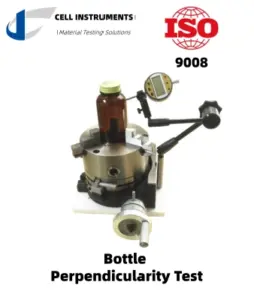
Для круглых бутылок типичная конструкция включает опорную пластину в сочетании с V-образным блоком или вращающуюся пластину с самоцентрирующимся патроном. Для некруглых бутылок требуется центрирующее приспособление, обеспечивающее стабильное вращение вокруг центральной оси бутылки.
Процесс проверки перпендикулярности бутылок
Проверка перпендикулярности стеклянных бутылок начинается с их правильной установки. Оператор размещает бутылку на горизонтальной опорной плите и закрепляет её с учётом её формы. Круглые бутылки могут опираться на V-образный блок или закрепляться во вращающемся патроне, а некруглые бутылки выравниваются с помощью центрирующего устройства.
После установки в нужное положение бутылка или вращающаяся пластина поворачивается на 360 градусов. В ходе этого цикла прибор для измерения эксцентриситета регистрирует максимальное и минимальное расстояния между горлышком бутылки и фиксированной точкой отсчёта, расположенной в той же горизонтальной плоскости.
Такой метод измерения с поворотом позволяет учесть все отклонения по направлению. Данный подход предотвращает занижение значений вертикального отклонения, которое могло бы возникнуть при измерении только в одной ориентации.
Оценка и интерпретация результатов
Стандарт ISO 9008 определяет простой метод представления результатов. Данный вертикальное отклонение равно половине разности в пределах от максимального до минимального измеренного расстояния.
Это значение отражает фактическую перпендикулярность бутылки. Специалисты по качеству сравнивают полученный результат с установленными допусками, чтобы определить соответствие требованиям. Поскольку при расчете учитываются все измеренные отклонения, он отражает реальное поведение бутылок на производственных линиях.
Отчетность по испытаниям и прослеживаемость
Четкая документация способствует укреплению систем качества. Полный протокол испытаний, как правило, содержит ссылку на стандарт, размер образца, описание тары, информацию об использованном испытательном оборудовании, результаты измерений и дату проведения испытаний. Такие записи служат основой для проведения аудитов, внутренних проверок качества и процедур приемки продукции заказчиком.
Практическая поддержка в проведении испытаний от компании Cell Instruments
Надежные результаты зависят от стабильной механики и точности измерений. Это Клеточные инструменты Тестер перпендикулярности бутылок PER-01 предназначен для обеспечения соответствия требованиям стандарта ISO 9008 к испытаниям за счет точного центрирования, плавного вращения и четких показаний отклонений. Он помогает лабораториям и производственным предприятиям проводить последовательные проверки вертикальности бутылок, одновременно повышая эффективность испытаний.
Заключение
The проверка перпендикулярности бутылки для Испытание стеклянных бутылок, определённое стандартом ISO 9008, представляет собой практичный и стандартизированный способ оценки вертикальности тары. Понимая цель испытания, его процедуру и метод оценки, производители могут более эффективно контролировать качество размеров и обеспечивать бесперебойную работу высокоскоростных линий розлива. При наличии соответствующего оборудования и применении стандартизированных методов данное испытание становится мощным инструментом в современном контроле качества стеклянной тары.
Часто задаваемые вопросы о проверке перпендикулярности бутылок
1. Что такое проверка перпендикулярности бутылки?
При испытании на перпендикулярность бутылки измеряется степень отклонения центральной оси бутылки от истинной вертикальной линии. В ходе испытания оценивается, удерживается ли бутылка в вертикальном положении в пределах допустимых значений при размещении на горизонтальной поверхности.
2. Какие дефекты могут повлиять на результаты испытания на перпендикулярность бутылок?
Результаты испытаний могут отражать совокупное влияние овальности основания, наклона корпуса, неровностей поверхности или овальности поверхности. Испытание на перпендикулярность бутылки позволяет оценить общее поведение в вертикальном направлении, а не выявить какой-либо отдельный дефект.
3. Как проводится проверка перпендикулярности бутылки?
Бутылка закрепляется на горизонтальной опоре и поворачивается на 360°. В ходе вращения фиксируются максимальное и минимальное расстояния между горлышком бутылки и фиксированной контрольной точкой для расчета вертикального отклонения.
4. Какое оборудование используется для проверки перпендикулярности бутылки?
Ан прибор для определения эксцентриситета Часто используется прибор для проверки перпендикулярности бутылки. Устройство должно удерживать дно бутылки в горизонтальном положении и обеспечивать точное измерение в месте укупорки во время вращения.
5. Почему проверка перпендикулярности бутылки имеет решающее значение для контроля качества?
Проверка перпендикулярности бутылок помогает предотвратить остановки линии, ошибки при розливе и дефекты укупорки. Выявляя бутылки с чрезмерным отклонением по вертикали, производители могут повысить стабильность упаковки и эффективность производства.
 RU
RU  EN
EN  AR
AR  BG
BG  CS
CS  DA
DA  DE
DE  EL
EL  ES
ES  ET
ET  FI
FI  FR
FR  HU
HU  ID
ID  IT
IT  JA
JA  KO
KO  LT
LT  LV
LV  NB
NB  NL
NL  PL
PL  PT
PT  RO
RO  SK
SK  SL
SL  SV
SV  TR
TR  UK
UK  HE
HE  TH
TH  VI
VI