
ASTM D2261
Ensaio de resistência ao rasgo por lingueta para tecidos têxteis
ASTM D2261 é um método de ensaio normalizado utilizado para medir o resistência ao rasgo do tecido de têxteis pela procedimento na língua (também conhecido como método de rasgo único). Este ensaio é essencial para avaliar a resistência ao rasgo dos tecidos, fornecendo aos fabricantes e às equipas de controlo de qualidade dados cruciais para garantir a durabilidade e o desempenho dos materiais utilizados em diversas aplicações, incluindo produtos de segurança, estofos e muito mais.
Resistência ao rasgo do tecido: o método de rasgo com lingueta
O resistência ao rasgo do tecido refere-se à capacidade de um material resistir ao rasgo quando submetido a tensão. ASTM D2261 define uma abordagem normalizada para medir esta resistência utilizando o língua (rasgo único) procedimento. Neste ensaio, uma amostra de tecido é cortada em forma de duas pernas e fixada num Máquina de ensaio de tração do tipo CRE, onde é aplicada uma força para provocar um rasgo. A força necessária para prolongar o rasgo é registada de forma contínua, fornecendo informações valiosas sobre a resistência do tecido a danos sob tensão.
O que é a resistência ao rasgo da língua?
Resistência à ruptura da língua mede especificamente a força necessária para propagar um rasgo numa amostra de tecido. O método da «língua» consiste em fazer um corte inicial no tecido e, em seguida, aplicar tensão para continuar o rasgo de forma controlada. O resultado deste ensaio ajuda a avaliar a durabilidade do tecido e é particularmente importante para produtos em que a resistência ao rasgo é crucial.
O procedimento de ensaio ASTM D2261
O ASTM D2261 O teste segue um procedimento específico para medir o resistência ao rasgo da língua de amostras de tecido. Eis os passos principais a seguir:
-
Preparação de Amostras: Uma amostra retangular de tecido é cortada no centro de uma das arestas curtas, de modo a formar uma amostra com duas pernas. Uma das pernas é fixada na mandíbula superior e a outra na mandíbula inferior da máquina de ensaio de tração.
-
Aplicação de força: À medida que a máquina afasta as mandíbulas, é aplicada uma força para propagar o rasgo pelo tecido. Essa força é registada continuamente pelo sistema de recolha de dados da máquina.
-
Registo de dados: A máquina regista a força com que o tecido se rasga, quer seja como um força de pico único ou o média das cinco forças de pico mais elevadas durante o processo de rasgamento. Estas medições permitem compreender com precisão a resistência do tecido.
-
Condições de teste: O ensaio é realizado num ambiente controlado (normalmente a 21 °C e 65% de humidade), e a amostra pode ser submetida ao ensaio tanto em estado húmido como seco. No caso do ensaio em estado húmido, a amostra deve ser submetida ao ensaio no prazo de 2 minutos após a sua retirada da água, para garantir resultados precisos.
Por que razão a norma ASTM D2261 é importante?
ASTM D2261 desempenha um papel fundamental nos ensaios de tecidos por várias razões:
-
Testes de durabilidade: Ajuda os fabricantes a garantir que os tecidos utilizados em produtos como equipamento de segurança, estofos e têxteis industriais são capazes de resistir às forças a que possam ser submetidos durante a sua utilização.
-
Controle de qualidade: Ao seguirem a norma ASTM D2261, os fabricantes podem manter uma qualidade consistente dos produtos, garantindo que os tecidos cumprem as especificações exigidas em matéria de resistência ao rasgo.
-
Desempenho do material: Fornece dados comparativos sobre a resistência ao rasgo de diferentes tecidos, ajudando a determinar o melhor material para aplicações específicas.
-
Segurança e Conformidade: Nos setores em que a durabilidade do tecido é fundamental (como nos airbags, no equipamento de proteção, etc.), este teste garante a conformidade com as normas de segurança.
Como a Cell Instruments apoia os ensaios segundo a norma ASTM D2261
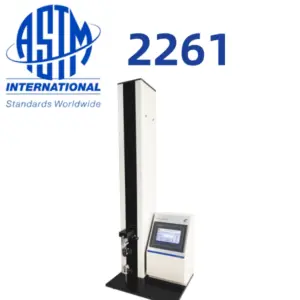
Em Instrumentos de Célula, disponibilizamos uma gama de máquinas de ensaio de tração que cumpram os requisitos de ASTM D2261. O nosso Máquinas de ensaio de tração do tipo CRE foram concebidos para uma medição precisa resistência à ruptura da língua testes, fornecendo dados precisos e fiáveis para o controlo de qualidade dos tecidos. As nossas máquinas estão equipadas com sistemas avançados de recolha de dados que facilitam o acompanhamento e a análise da força necessária para rasgar os tecidos, garantindo que os seus procedimentos de teste sejam eficientes e estejam em conformidade com as normas do setor.
Conclusão
O ASTM D2261 A norma é essencial para medir o resistência ao rasgo da língua de tecidos. Ao realizar este ensaio, os fabricantes podem garantir que os seus tecidos cumprem as normas de durabilidade necessárias e são adequados para as aplicações a que se destinam. Quer esteja a testar tecidos de ponto, de malha ou tratados, Instrumentos de Célula fornece o equipamento de ponta de que necessita para realizar ensaios precisos e fiáveis à resistência dos tecidos.
Perguntas frequentes
P1: Qual é o objetivo da norma ASTM D2261?
A1: ASTM D2261 É utilizado para medir a resistência ao rasgo em lingueta de tecidos. Este ensaio avalia a capacidade de um tecido para resistir ao rasgo quando submetido a uma força controlada, fornecendo dados importantes sobre a sua durabilidade e desempenho. É essencial para setores em que a resistência do tecido é crucial, tais como produtos de segurança, estofos e equipamento de proteção.
P2: Como é medida a resistência ao rasgo da lingueta na norma ASTM D2261?
A2: A resistência ao rasgo em língua, segundo a norma ASTM D2261, é medida utilizando o método de rasgo único, no qual uma amostra de tecido é cortada em forma de duas pernas e montada numa máquina de ensaio de tração do tipo CRE. A máquina aplica força para propagar um rasgo ao longo do tecido, e a força necessária para continuar o rasgo é registada. Este valor ajuda a determinar a resistência do tecido ao rasgo sob tensão.
P3: Que tipos de tecidos podem ser testados de acordo com a norma ASTM D2261?
A3: A norma ASTM D2261 pode ser aplicada a uma vasta gama de tecidos, incluindo tecidos de ponto, tecidos de malha, tecidos para airbags, cobertores, tecidos felpudos, tecidos tratados com resina e tecidos com encolagem ou revestimento intensos. O ensaio é versátil e pode ser realizado tanto em amostras húmidas como secas, dependendo da utilização pretendida do tecido.
P4: Que equipamento é necessário para realizar os ensaios segundo a norma ASTM D2261?
A4: A norma ASTM D2261 exige a utilização de uma máquina de ensaio de tração do tipo CRE, que é o equipamento preferido para testar a resistência ao rasgo em língua. Esta máquina aplica uma força controlada à amostra de tecido, permitindo a medição precisa da força necessária para propagar o rasgo. Sistemas de recolha de dados, tais como registadores autográficos ou sistemas baseados em microprocessadores, são utilizados para registar e analisar a força durante o ensaio.
P5: De que forma a norma ASTM D2261 garante a fiabilidade dos ensaios de resistência ao rasgo dos tecidos?
A5: A norma ASTM D2261 garante a fiabilidade ao fornecer um procedimento normalizado para ensaios de resistência ao rasgo de tecidos, especificando condições de ensaio controladas (tais como temperatura e humidade) e instruções claras para a preparação das amostras. Os resultados do ensaio, quer se baseiem na força de pico único, quer na média dos cinco picos mais elevados, refletem o desempenho do tecido sob tensões reais, permitindo aos fabricantes comparar diferentes tecidos e manter uma qualidade consistente do produto.
P6: Os resultados da norma ASTM D2261 podem ser utilizados para ensaios de aceitação?
A6: Sim, a norma ASTM D2261 é amplamente utilizada para ensaios de aceitação em remessas comerciais de tecidos. Ao seguirem o procedimento de ensaio previsto na norma, os fabricantes podem garantir que os seus tecidos cumprem as especificações de desempenho exigidas. Em caso de litígios, podem ser realizados ensaios comparativos para resolver divergências nos resultados comunicados, garantindo avaliações precisas e justas.
 PT
PT  EN
EN  AR
AR  BG
BG  CS
CS  DA
DA  DE
DE  EL
EL  ES
ES  ET
ET  FI
FI  FR
FR  HU
HU  ID
ID  IT
IT  JA
JA  KO
KO  LT
LT  LV
LV  NB
NB  NL
NL  PL
PL  RO
RO  RU
RU  SK
SK  SL
SL  SV
SV  TR
TR  UK
UK  HE
HE  TH
TH  VI
VI