
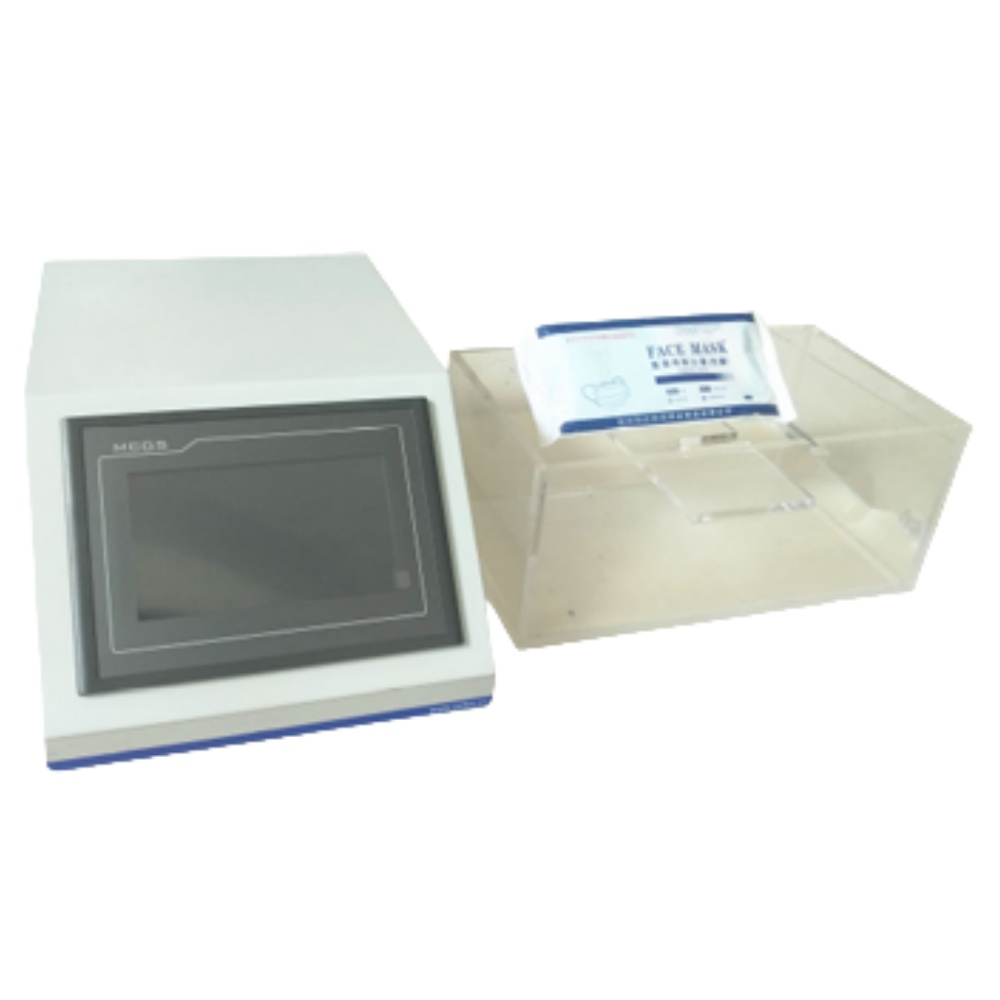
Introduction to Bubble Leak Test Equipment
Bubble leak test equipment is essential for assessing the integrity of packaging seals, ensuring that products remain protected during storage and transportation. This test method, standardized under ASTM F2096, detects gross leaks in porous and nonporous packaging by observing streams of air bubbles when the package is pressurized underwater. By accurately detecting leaks, this equipment plays a vital role in maintaining product quality and safety across various industries, including pharmaceuticals, medical devices, food packaging, and more.
Importance of Leak Testing
Evaluating package seal integrity is crucial for verifying that packaging can deliver the necessary product protection. Leak testing helps assess sustainable packaging alternatives and cost-effective packaging options, as well as variations in production line sealing parameters. By maintaining the reliability of package seals, companies can uphold the quality and safety of their products, ultimately safeguarding their brand reputation.
Applications and Industry Relevance
The medical package bubble leak test is widely applied in sterile barrier system validation, quality control of pouches and trays, and inspection of food and pharmaceutical packages. Industries such as medical devices, pharmaceuticals, packaging, and quality inspection agencies rely on gross leak bubble testers to verify that heat-sealed packages remain contamination-free throughout their shelf life.
Overview of ASTM F2096
What is ASTM F2096?
ASTM F2096 is a standard that outlines the procedure for detecting gross leaks in both porous and non-permeable packaging materials using internal pressurization. This method is commonly known as the bubble test.
Test Methods Described by ASTM F2096
The standard provides a systematic approach to identifying gross leaks through a bubble test, where internal pressure is applied to the packaging material.
How the Bubble Leak Test Works
The ASTM bubble leak test uses internal pressurization to identify leaks with high accuracy. The process involves:
- Sample Preparation – A controlled entry point is made in the package to insert the air source and pressure monitoring device.
- Submersion – The package is submerged approximately 25.4 mm (1 inch) underwater.
- Pressurization – Air is introduced until the package reaches a predetermined pressure level based on its material type.
- Observation – A constant stream of air bubbles from a specific location indicates a leak, such as seal channels, cracks, or pinholes.
- Documentation – Any failure point is marked for analysis.
The sensitivity of this method is typically down to 250 μm, with method accuracy dependent on correct test pressure settings and the stability of airflow.
Test Methods for Different Packaging Types
According to ASTM F2096, there are two primary procedures:
- Nonporous Packaging – The package is directly inflated underwater and inspected on both sides for leaks.
- Porous Packaging – A blocking agent may be applied, and additional dwell time underwater allows the material to saturate before inspection.
Both methods are destructive tests, meaning the tested package cannot be used afterward.
Other Relevant ASTM Standards
- ASTM D3078: This standard utilizes bubble emission testing for gas-filled and liquid-filled packages, helping to identify leaks that may compromise product integrity.
- ASTM D4991: Similar to D3078, this standard focuses on bubble emission testing for empty rigid containers.
- ASTM F2338: This standard employs vacuum decay testing methods for flexible and rigid containers to evaluate seal integrity.
- ASTM F2054/F1140: These standards outline pressure decay testing methods for various packaging types, including flexible, rigid, and tubular forms.
Właściwości techniczne
- PLC-Controlled Unit: Our bubble leak test equipment is designed with industrial-level stability, featuring a PLC-controlled unit for consistent performance.
- HMI Touch Screen Operation: User-friendly interface for easy operation and monitoring of testing parameters.
- Stable Gas Supply: Ensures a reliable and consistent supply of gas during testing.
- Optional Integration: The equipment can be integrated with pressure decay test methods for enhanced testing capabilities.
Główne parametry
| Zakres testu | 0~30KPa (or as required) |
| Chamber Acrylic | 34*20*15cm LWH |
| Compressed Air | 0.6MPa (Prepared by user) |
| Moc | 110~220V 50/60Hz |
Bubble leak test equipment is crucial for ensuring the integrity of packaging seals, making it an indispensable tool for quality assurance across various industries. By choosing Cell Instruments’ bubble leak test solutions, you can enhance the reliability of your packaging and safeguard your products.
Najczęściej zadawane pytania
- What types of packages can be tested with bubble leak test equipment?
- The equipment is suitable for both porous and non-permeable packaging materials, including flexible and rigid containers.
- How does the bubble test work?
- The bubble test involves applying internal pressure to the package while submerged in water. Bubbles produced at the leak point indicate a failure in the seal.
- Is the bubble leak test method destructive?
- Yes, the bubble leak test is a destructive method, meaning it may compromise the integrity of the packaging being tested.
- Can the equipment be customized for specific testing needs?
- Yes, we specialize in customizing testing requirements to meet your specific needs.
- What standards does the bubble leak test equipment comply with?
- Our equipment complies with ASTM F2096 and other relevant ASTM standards for leak testing.
 PL
PL  EN
EN  AR
AR  BG
BG  CS
CS  DA
DA  DE
DE  EL
EL  ES
ES  ET
ET  FI
FI  FR
FR  HU
HU  ID
ID  IT
IT  JA
JA  KO
KO  LT
LT  LV
LV  NB
NB  NL
NL  PT
PT  RO
RO  RU
RU  SK
SK  SL
SL  SV
SV  TR
TR  UK
UK