
Vacuum Leak Test for Bottles
ASTM D3078 & ASTM D4991 & ASTM D5094 & ASTM D6653 & ASTM F2338
Svetainė vacuum leak test for bottles is one of the most important quality control methods in modern manufacturing. Bottles and containers play a critical role in protecting products during storage, shipping, and use. If a bottle fails to maintain its seal or structure, the consequences can include product contamination, financial losses, and damaged brand reputation. This is especially true in industries such as food and beverage, pharmaceuticals, daily chemicals, and healthcare, where packaging is directly linked to product safety and consumer health.
A vacuum leak test provides manufacturers with a reliable way to ensure that bottles and plastic containers are free from leaks, cracks, or closure defects before they reach the market. By detecting even the smallest imperfections, this testing method helps safeguard both product quality and customer trust.
Why Vacuum Leak Test for Bottles Matters
Bottles made of plastic, glass, or composite materials can suffer from microcracks, closure failures, or defects that are not visible to the naked eye. A vacuum leak test helps detect such weaknesses early, preventing potential hazards like:
- Loss of carbonation in beverages
- Contamination of pharmaceuticals
- Leakage of hazardous chemicals
- Reduced shelf life of food products
By integrating this test into quality assurance, manufacturers ensure compliance with international standards and maintain a competitive edge.
Vacuum Leak Test Procedure
Svetainė vacuum leak test procedure typically involves placing a bottle or container inside a sealed chamber. A vacuum is applied, and the container is monitored for changes in pressure, bubble emission, or vacuum decay, depending on the chosen method. Common steps include:
- Preparing the container (empty or filled depending on requirements).
- Sealing the container inside the test chamber.
- Applying vacuum gradually to simulate storage or transport conditions.
- Observing leakage indicators such as pressure changes or bubbles.
- Recording test data for analysis and quality documentation.
This procedure ensures that even the smallest leaks are detected before products enter the market.
Key Standards for Bottle Leak Testing
Several ASTM standards provide detailed methodologies for leakage test for plastic containers and other bottle types:
- ASTM D3078 – Bubble Emission Test for detecting leaks in flexible packaging by immersing in water under vacuum.
- ASTM D4991 – Vacuum Method for Rigid Containers, widely used for empty bottles to assess structural integrity.
- ASTM D5094 – Gross Leakage Tests for threaded or lug-style closures to evaluate closure tightness.
- ASTM D6653 – High Altitude Simulation using vacuum to replicate reduced pressure environments during air transport.
- ASTM F2338 – Vacuum Decay Method, a nondestructive technique offering high sensitivity for microleak detection.
Each standard is designed to replicate real-world conditions, making testing results both reliable and industry-accepted.
Taikymas įvairiose pramonės šakose
- Maistas ir gėrimai: Ensures carbonation retention in soda bottles and prevents leakage during distribution.
- Farmacijos produktai: Protects medicines from contamination and validates packaging sterility.
- Chemicals & Daily Products: Prevents hazards caused by leakage of detergents, solvents, or oils.
- Kokybės tikrinimo agentūros: Provides standardized validation reports in compliance with ASTM methods.
Choosing the Right Bottle Leak Tester
Selecting the appropriate bottle leak tester depends on the type of container, required sensitivity, and applicable standards. For instance, nondestructive testing with ASTM F2338 may be ideal for pharmaceutical bottles, while ASTM D4991 is suitable for rigid plastic containers.
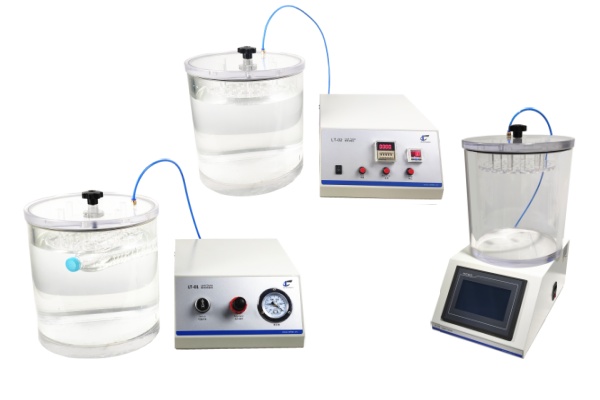
"Cell Instruments offers advanced leak testers designed to meet these needs. Their equipment ensures precise vacuum control, reliable data output, and compliance with international standards, making them a trusted choice for laboratories and production lines.
Advantages of Vacuum Leak Testing
- High sensitivity: Detects even microleaks invisible to the naked eye.
- Standardized approach: Ensures compliance with ASTM protocols.
- Non-destructive options: Allows testing without wasting valuable products.
- Universalumas: Suitable for a wide rnge of bottles and closure systems.
Implementing a vacuum leak test for bottles is an essential step in safeguarding product quality and ensuring compliance with global standards like ASTM D3078, ASTM D4991, ASTM D5094, ASTM D6653, and ASTM F2338. By adopting reliable leak testers such as those from "Cell Instruments, manufacturers can reduce risks, improve efficiency, and strengthen consumer trust.
 LT
LT  EN
EN  AR
AR  BG
BG  CS
CS  DA
DA  DE
DE  EL
EL  ES
ES  ET
ET  FI
FI  FR
FR  HU
HU  ID
ID  IT
IT  JA
JA  KO
KO  LV
LV  NB
NB  NL
NL  PL
PL  PT
PT  RO
RO  RU
RU  SK
SK  SL
SL  SV
SV  TR
TR  UK
UK