
Kangas-ASTM D2261:n vetolujuus repäisylle
Kankaan repäisylujuus on keskeinen ominaisuus, kun arvioidaan eri teollisuudenaloilla käytettävien tekstiilien kestävyyttä ja suorituskykyä turvallisuusvarusteista arkivaatteisiin. ASTM D2261 -standardi määrittelee standardoidun testausmenetelmän kankaan repäisylujuuden mittaamiseksi kielimenetelmällä, mikä auttaa varmistamaan, että materiaalit täyttävät tarvittavat kestävyysvaatimukset. Tässä artikkelissa tarkastellaan kielirepäisylujuustestin yksityiskohtia, sen merkitystä sekä sitä, miten ASTM D2261 -standardi standardoi mittausprosessin.
ASTM D2261: Kankaan repäisylujuuden mittaamista koskeva standardi
ASTM D2261 on laajalti tunnustettu standardi, joka määrittelee testausmenetelmän kankaan repäisylujuuden määrittämiseksi. Testissä käytetään kielimenetelmää (yksittäinen repeämä), jossa kangasnäyte leikataan tiettyyn muotoon ja asetetaan vetolujuusmittariin, joka mittaa repeämän leviämiseen tarvittavan voiman. Tämä menetelmä on välttämätön kankaanvalmistajille ja laadunvalvontatiimeille materiaalien lujuuden ja luotettavuuden varmistamiseksi.
Mitä tarkoittaa kielen repäisylujuus?
Kankaan repäisylujuudella tarkoitetaan voimaa, joka tarvitaan repäisyn jatkamiseen kankaassa sen jälkeen, kun alkuperäinen viilto on tehty. Standardin ASTM D2261 mukaisesti kangasnäyte leikataan kaksijalkaiseksi, ja testissä mitataan voima, jota tarvitaan repeämän jatkamiseen kankaan poikki. Voima mitataan joko yksittäisenä huippuvoimana tai repeämisprosessin viiden suurimman huippuvoiman keskiarvona.
Tämän menetelmän avulla valmistajat voivat selvittää, kuinka hyvin kangas käyttäytyy rasituksessa ja kuinka suuren voiman se kestää repeytymättä, mikä on ratkaisevan tärkeää turvallisuuden kannalta kriittisissä sovelluksissa käytettävien kankaiden osalta.
Kankaan repäisylujuus: ASTM D2261 -standardin merkitys
Kankaan repäisylujuuden mittaaminen on välttämätöntä monista syistä:
-
Kestävyys: Kankaiden on kestettävä käyttötarkoituksessa niihin kohdistuvat rasitukset ja jännitykset. Olipa kyseessä sitten turvavarusteet, ulkoiluvälineet tai teolliset sovellukset, kankaan repäisylujuus varmistaa, että materiaalit eivät pettäisi ennenaikaisesti.
-
Laadunvalvonta: ASTM D2261 -standardi auttaa valmistajia varmistamaan tuotteiden tasaisen laadun tarjoamalla objektiivisen ja standardoidun menetelmän kankaan lujuuden mittaamiseen.
-
Materiaalivalinta: Arvioimalla repäisylujuutta valmistajat voivat valita kuhunkin käyttötarkoitukseen sopivat kankaat ja varmistaa, että tuotteet täyttävät niille asetetut suorituskykyvaatimukset.
ASTM D2261 -testausmenettely
ASTM D2261 -testimenetelmässä noudatetaan tiettyjä vaiheita kielireikälujuuden tarkkaa määrittämistä varten:
-
Näytteen valmistelu: Suorakulmainen kangasnäyte leikataan lyhyen reunan keskeltä siten, että siitä muodostuu kaksijalkainen muoto, jota kutsutaan usein “housunmuotoiseksi” näytteeksi. Tämä näyte asetetaan sitten vetolujuustestauslaitteeseen siten, että toinen jalka kiinnitetään yläleukaan ja toinen alaleukaan.
-
Voiman kohdistaminen: Testauslaite kasvattaa jatkuvasti leukojen välistä etäisyyttä ja kohdistaa voiman, joka saa repeämän leviämään kankaan poikki. Tämän prosessin aikana laitteen tiedonkeruujärjestelmä tallentaa voiman arvon.
-
Tietojen kerääminen: Mitataan voima, jolla repeämä etenee, ja se kirjataan joko yksittäisenä huippuvoimana tai testin aikana mitattujen viiden suurimman huippuvoiman keskiarvona. Näitä tietoja käytetään kankaan repäisylujuuden arviointiin.
-
Testausolosuhteet: Testaus suoritetaan yleensä kontrolloidussa ympäristössä (21 °C ja 65% kosteus), ja testaus voidaan suorittaa joko märkä- tai kuivamenetelmällä kankaan käyttötarkoituksen mukaan. Märkämenetelmässä näyte on testattava kahden minuutin kuluessa sen poistamisesta vesihauteesta.
Miksi repäisylujuus on tärkeää?
Kankaan repäisylujuuden testaaminen on tärkeää useista syistä:
-
Kestävyyden varmistaminen: Kankaiden on oltava riittävän kestäviä kestääkseen normaalissa käytössä syntyvät rasitukset. Tämän testin avulla varmistetaan, ettei kangas repeä helposti jännityksen alaisena, mikä on olennaisen tärkeää esimerkiksi turvavarusteiden ja teollisuustekstiilien osalta.
-
Laatustandardien ylläpitäminen: Valmistajat käyttävät tätä testiä varmistaakseen, että niiden kankaat täyttävät vaaditut kestävyysvaatimukset, ja taatakseen tuotantoerien välisen yhdenmukaisuuden.
-
Määräysten noudattaminen: Aloilla, joilla vaaditaan tiukkoja laatustandardeja, kuten autoteollisuudessa tai terveydenhuollossa, kankaan repäisylujuuden varmistaminen on ratkaisevan tärkeää turvallisuusmääräysten noudattamisen kannalta.
Cell Instruments: Kumppanisi kyynelnesteen vetolujuustestauksessa
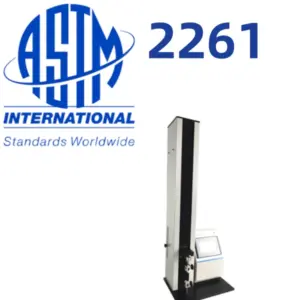
Cell Instruments tarjoaa laajan valikoiman vetolujuustestauslaitteita, jotka on suunniteltu täyttämään standardin ASTM D2261 vaatimukset. Koneemme on varustettu edistyneillä tiedonkeruujärjestelmillä, jotka takaavat kankaan repäisylujuuden tarkan ja luotettavan mittauksen. Testitpa sitten kudottuja, neulottuja tai käsiteltyjä kankaita, vetolujuuskoe-koneemme tarjoavat tehokkaaseen laadunvalvontaan tarvittavan tarkkuuden ja joustavuuden.
Päätelmä
ASTM D2261 on keskeinen standardi kankaan repäisylujuuden arvioimiseksi. Tämän testin avulla valmistajat voivat varmistaa, että heidän tekstiilinsä ovat kestäviä ja sopivia aiottuihin käyttötarkoituksiin. Oikeilla laitteilla, kuten Cell Instrumentsin vetolujuusmittareilla, voit suorittaa tarkkoja ja tehokkaita kankaan repäisylujuustestejä ja ylläpitää korkeita laatustandardeja tekstiilituotantoprosesseissasi.
FAQ
Kysymys 1: Mikä on ASTM D2261?
A1: ASTM D2261 on vakiintunut testimenetelmä, jolla mitataan kankaan repäisylujuus käyttämällä kieli (yksi repeämä) menettely. Siihen kuuluu CRE-tyyppinen vetolujuustestauslaite kudoksen näytteeseen kohdistetaan hallittu voima ja mitataan repeämän etenemiseen tarvittava voima. Tämä menetelmä on välttämätön kankaan kestävyyden ja suorituskyvyn arvioimiseksi rasituksessa.
Kysymys 2: Mitä termi “kielen repäisylujuus” tarkoittaa?
A2: Kielen repäisylujuus tarkoittaa voimaa, joka tarvitaan kankaan repeämän jatkumiseen sen jälkeen, kun alkuperäinen viilto on tehty. Kangas leikataan kaksijalkaiseksi muodoksi, ja repeämää jatketaan voimaa kohdistamalla. Voima, jolla repeämä jatkuu, mitataan ja kirjataan ylös, mikä antaa arvion kankaan repeämiskestävyydestä rasituksen alaisena.
Kysymys 3: Miksi kankaan repäisylujuuden testaaminen on tärkeää?
A3: Testataan kankaan repäisylujuus on ratkaisevan tärkeää arvioitaessa, kuinka hyvin kangas kestää repimiseen johtavia voimia. Se on erityisen tärkeää turvallisuusvarusteissa, verhoilussa ja teollisuustekstiileissä käytettävien materiaalien osalta. Tämä testi varmistaa, että kankaat täyttävät vaaditut kestävyysvaatimukset, mikä auttaa valmistajia valitsemaan oikeat materiaalit tiettyihin käyttötarkoituksiin ja takaa tuotteiden luotettavuuden ja turvallisuuden.
Kysymys 4: Mitä laitteita käytetään ASTM D2261 -testauksessa?
A4: Testausmenetelmä ASTM D2261 vaatii CRE-tyyppinen vetolujuustestauslaite. Tämä laite venyttää kangasnäytettä tasaisella nopeudella, mikä mahdollistaa repeämän etenemiseen tarvittavan voiman tarkan mittaamisen. Tietojenkeruujärjestelmät, kuten autografiset piirturit tai mikroprosessoripohjaiset järjestelmät niitä käytetään voiman mittaamiseen ja analysointiin testin aikana.
Kysymys 5: Mitkä ovat ASTM D2261 -standardin käytön edut kankaan testauksessa?
A5: ASTM D2261 tarjoaa standardoidun ja luotettavan menetelmän kankaan repäisylujuus. Sen avulla kankaanvalmistajat voivat arvioida tuotteidensa kestävyyttä hallituissa olosuhteissa, mikä auttaa ylläpitämään tasalaatuista laatua ja täyttämään alan standardit. Testi on erityisen arvokas turvallisuuden kannalta kriittisissä sovelluksissa käytettävien kankaiden suorituskyvyn arvioinnissa, sillä se varmistaa, että ne kestävät todellisissa olosuhteissa esiintyviä rasituksia.
Kysymys 6: Miten Cell Instruments tukee kankaan repäisylujuustestausta?
A6: Cell Instruments tarjoaa edistyneitä vetolujuustestauslaitteet suunniteltu täyttämään ASTM D2261. Meidän CRE-tyyppiset testauslaitteet tarjoaa tarkkoja ja luotettavia mittaustuloksia kielen repäisylujuus ja kankaan repäisylujuus. Laitteidemme avulla valmistajat voivat varmistaa, että heidän tekstiilituotteensa täyttävät kestävyyttä, laadunvalvontaa ja säännösten noudattamista koskevat vaatimukset.
 FI
FI  EN
EN  AR
AR  BG
BG  CS
CS  DA
DA  DE
DE  EL
EL  ES
ES  ET
ET  FR
FR  HU
HU  ID
ID  IT
IT  JA
JA  KO
KO  LT
LT  LV
LV  NB
NB  NL
NL  PL
PL  PT
PT  RO
RO  RU
RU  SK
SK  SL
SL  SV
SV  TR
TR  UK
UK  HE
HE  TH
TH  VI
VI